



By: Emmanuel Koffa | Grand Kru Correspondent
Dougbo Community, Grand Kru County|May 1, 2026|A dispute over a 40-foot container in Dougbo Community is fast evolving into a broader legal and constitutional question: can law enforcement seize private property without clear legal backings?
A segment of the public is beginning to ask!
The controversy, now before the Barclayville Magisterial Court, centers on allegations that Grand Kru County Police Commander ACP Clement Barlatt took possession of the container—claims formally escalated by Grand Kru County Administrative Officer Alphonso D.N. Teah through a criminal coercion complaint.
For residents of Dougbo, the issue goes beyond a single asset. It strikes at the heart of property rights and protection from arbitrary state action—principles that underpin public trust in law enforcement.
Legal Authority or Overreach?
Under normal procedures, police can only seize property under specific conditions—such as: a court-issued warrant, evidence linked to a crime, or clear legal designation (e.g., abandoned or contraband property).
Absent these, any seizure risks being viewed as unlawful.
While ACP Barlatt, in a circulating document, maintains that his actions were in line with his duties, no publicly available record has yet clarified under what legal authority the container was taken.
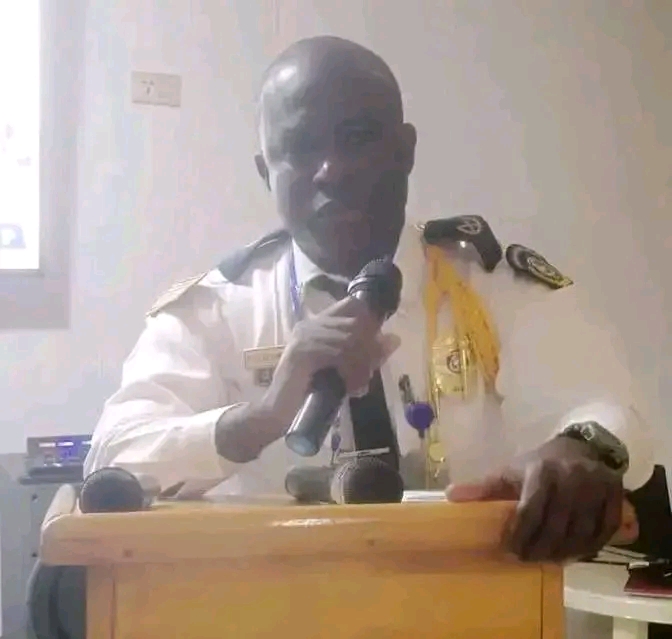
Court Steps In to Safeguard Process
The court’s decision to request the officer’s transfer from the Liberia National Police structure suggests concern about ensuring a fair process—particularly in a case where the accused holds command authority.
Such a move is often interpreted as an effort to prevent undue influence over evidence or witnesses while the matter is under judicial review.
A Wider Implication
If proven, the allegations could signal abuse of power with serious implications for civil liberties. If disproven, they could highlight the dangers of misinformation and reputational harm to public officials.
Either way, the case is setting up a critical precedent relative to how far can police authority go before it crosses into violation of citizens’ rights?
As proceedings develop, the spotlight will remain fixed not just on the individuals involved—but on the legal boundaries that define power, accountability, and justice in Liberia.

