


By: Emmanuel Koffa | Grand Kru Correspondent
Barclayville, Grand Kru County |May 1, 2026|A Town Hall Engagement in Barclayville has revealed significant gaps in understanding gender concepts among young men, even as participants showed willingness to embrace change.
The engagement, organized by the Organization for Women and Children (ORWOCH) in partnership with the African Women Leaders Network (AWLN) and supported by UN Women, brought together students, journalists, and community leaders for a daylong discussion on masculinity and gender equality.
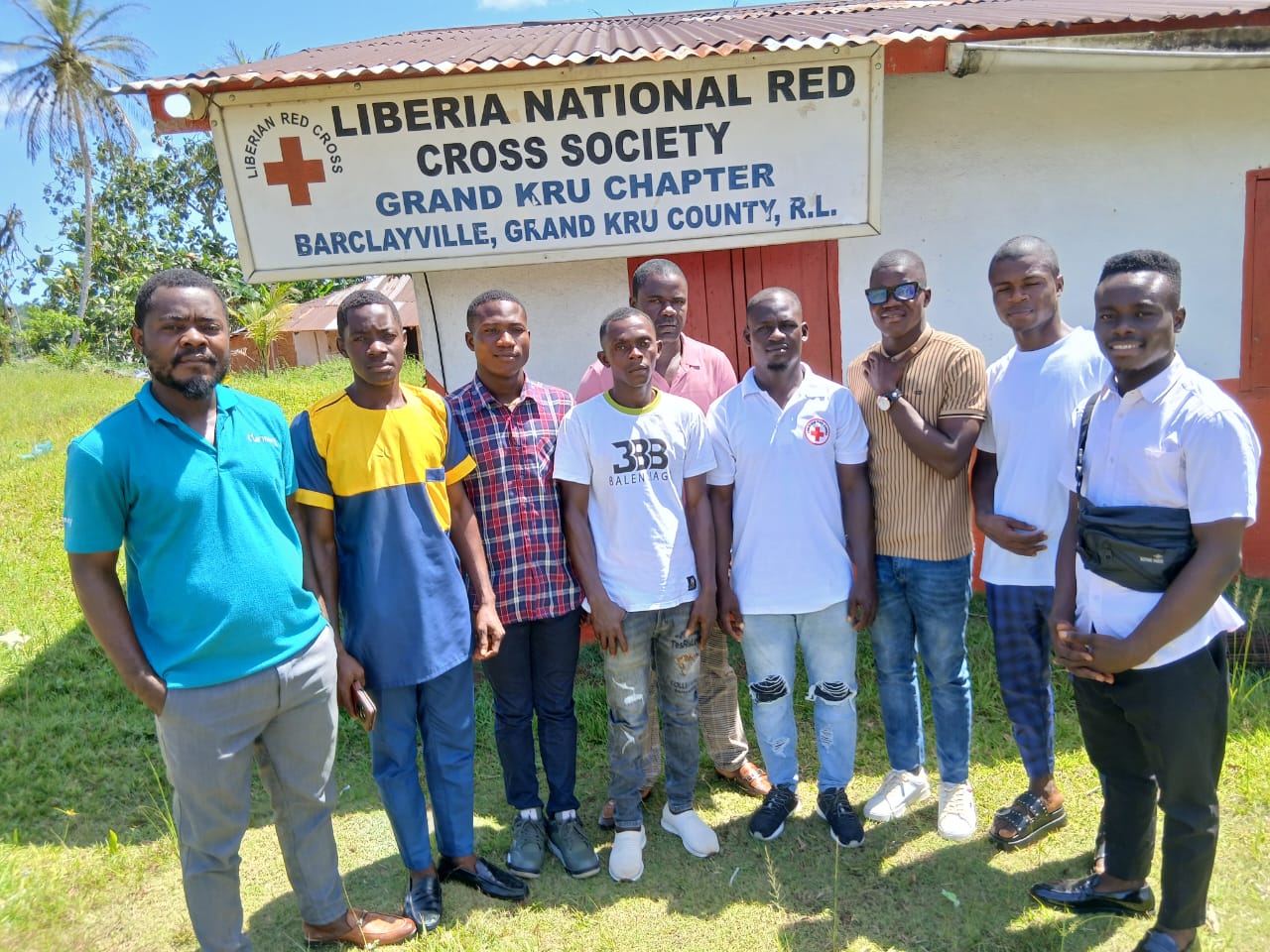
Held at the Liberia Red Cross Society office, the session focused on examining how traditional beliefs and social expectations shape male behavior and influence relationships within families and communities.
Facilitators, including Emmanuel Koffa and Cyrus S. Thomas—who previously attended a similar educational session in Monrovia—shared insights on the difference between sex and gender, emphasizing that gender roles are socially constructed and can be changed.
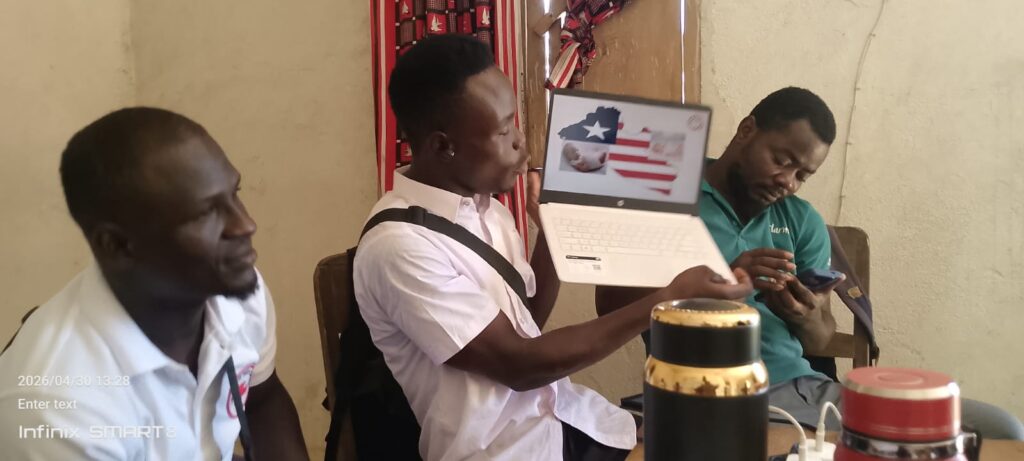
Discussions revealed that many participants strongly associate masculinity with strength, authority, and emotional restraint, with limited awareness of how these norms can negatively affect emotional well-being and contribute to inequality.
Participants also acknowledged that societal pressure often compels men to dominate decision-making processes, sometimes at the expense of women’s participation and inclusion.
Despite these gaps, the engagement recorded a notable shift in attitude, as attendees expressed openness to learning and adopting more positive forms of masculinity that promote respect, accountability, and shared responsibility.
Organizers say the findings highlight the urgent need for sustained awareness and education initiatives, particularly in rural communities where misconceptions about gender remain widespread.
Participants recommended regular town hall engagements, expanded community outreach, and inclusive discussions involving both men and women to help address harmful stereotypes and promote equality.
The initiative forms part of a broader effort to advance women’s political participation and decision-making through social norms change and advocacy across Liberia.

