


By: Ernest Kpehe Moibah | Bomi County Correspondent
Bomi County, Liberia | March 19, 2026 |A leading agribusiness owner in Bomi County is calling on the government to urgently construct a cold storage facility, warning that farmers continue to suffer heavy post-harvest losses due to lack of preservation systems.
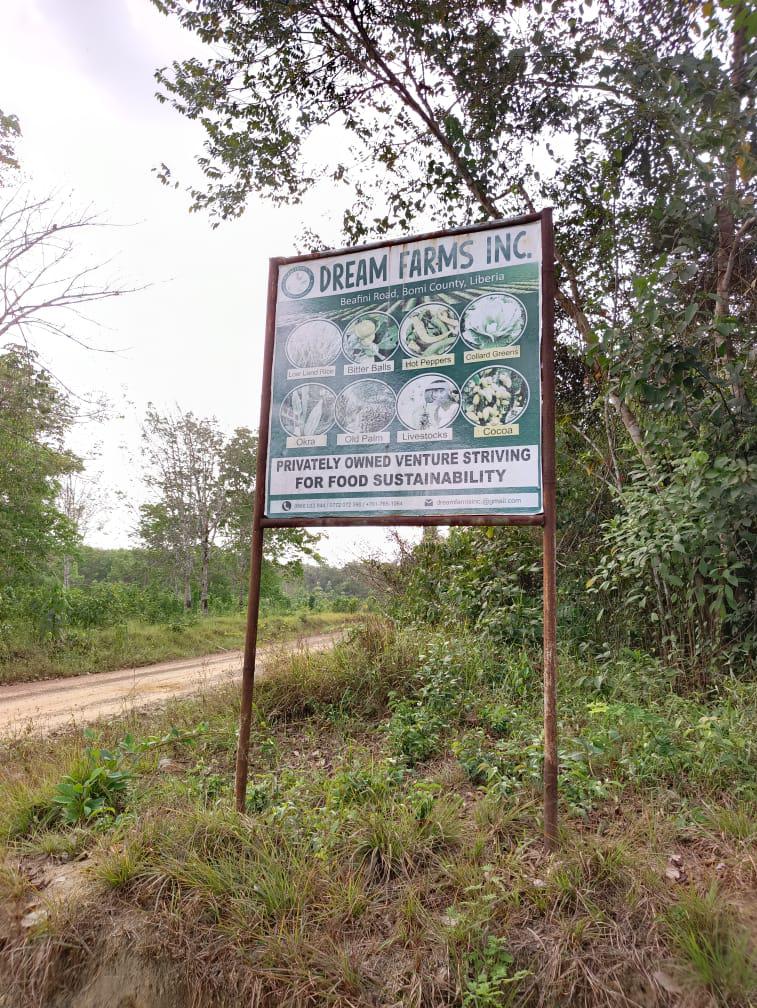
The call comes from Blama Kollie, Chief Executive Officer of Dreamz Farm Incorporated, who says tons of vegetables go to waste during periods of low market demand; a situation he describes as a major setback for farmers across the county.
“When production is high and demand drops, we lose a lot because there is nowhere to store the produce,” Kollie explained in an exclusive interview. “We are producing, but we are losing at the same time,” Kollie said. “Without storage, farmers have no control over their harvest.”
Support Claims Under Scrutiny
Kollie’s frustration is further fueled by claims made during the 2025 State of the Nation Address by Joseph Nyuma Boakai, who announced that over 198,000 farmers across the country received government support.
While the announcement was intended to highlight progress in the agriculture sector, Kollie says his farm – and many others in Bomi County – did not benefit from any such intervention.
However, the Dreamz Farm CEO says his operation was not among the beneficiaries, raising concerns about transparency and inclusiveness in the distribution of agricultural assistance.
He described the process as unclear and overly bureaucratic, questioning how farmers – particularly in Bomi County are identified and selected for support programs.
“We did not receive any support, and many farmers don’t even understand how the process works,” he noted.
A System Struggling to Deliver
The situation reflects broader challenges within Liberia’s agriculture support system, where policy pronouncements often fail to translate into real impact at the grassroots level.
For farmers like Kollie, the issue goes beyond access to funding – it is about practical solutions that directly address everyday challenges, particularly storage, preservation, and market stability.
Innovation Amid Challenges
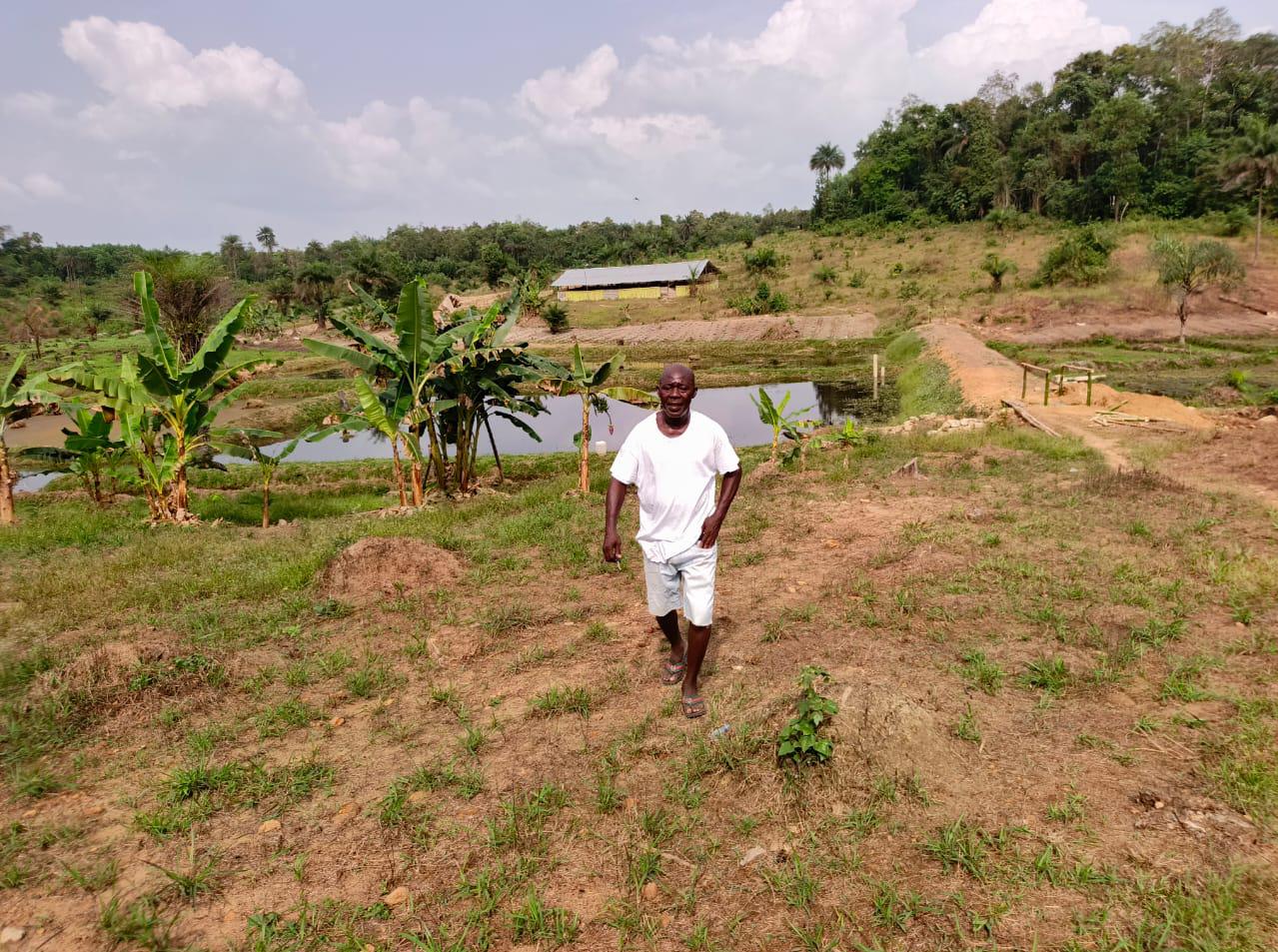
Despite the difficulties, Dreamz Farm continues to push forward with an innovative year-round farming model, ensuring continuous planting and harvesting to meet market demand.
According to him, Dreamz Farm Incorporated has adopted a continuous cultivation strategy, planting and harvesting vegetables throughout the year based on market trends – an approach aimed at sustaining supply and increasing productivity.
Kollie explained that his farm conducts market-based production planning, studying consumer demand trends before expanding cultivation.
“We don’t just plant — we study the market, we test demand, and then we expand,” he said.
This approach, he noted, has allowed the farm to grow steadily, even in the face of structural challenges.
Cold Storage: A Game-Changer
Yet, he warns that without proper storage infrastructure, such efforts risk being undermined.
“A cold storage facility will not only reduce waste but also improve farmers’ income and stabilize the market,” Kollie stressed.
He is now urging the Ministry of Agriculture to prioritize the construction of a modern storage system in Bomi County, describing it as a game-changer for the agriculture sector.
Kollie believes that the construction of a cold storage facility in Bomi County would significantly transform the agricultural landscape.
Such a facility would: Extend the shelf life of perishable goods, Reduce post-harvest losses, Stabilize market supply and pricing and Increase farmers’ income and productivity
Call to Government Action
The Dreamz Farm CEO is now making a direct appeal to the Ministry of Agriculture and national authorities to prioritize investment in storage infrastructure.
He argues that if the government is serious about boosting agriculture and empowering farmers, then attention must shift from announcements to tangible, community-based solutions.
Kollie’s concerns echo a broader sentiment among farmers who continue to call for practical support mechanisms, beyond policy announcements, to strengthen Liberia’s food production system.
A Sector at a Crossroads
Kollie’s concerns are shared by many farmers across Bomi County, who say the lack of support systems continues to limit productivity and discourage expansion.
As Liberia seeks to position agriculture as a driver of economic growth, experts warn that failure to address critical gaps such as storage, transparency in support programs, and rural infrastructure could undermine national progress.
For now, farmers in Bomi remain hopeful – but increasingly vocal – as they push for real change that goes beyond promises.
“We are ready to produce,” Kollie concluded. “But we need the right support to succeed.”

