


By: Ernest Kpehe Moibah, Jr | Bomi Correspondent
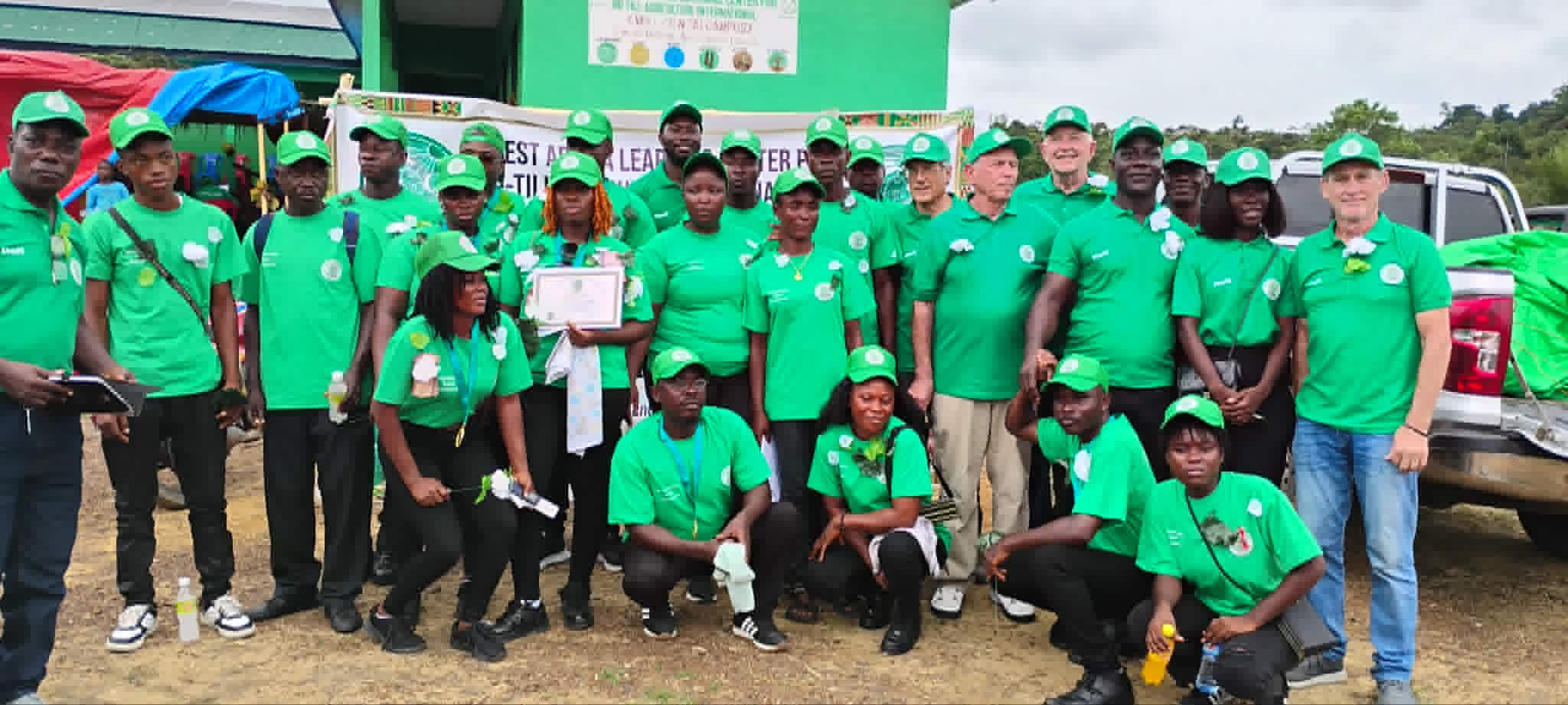
Bomi County, Liberia |June 3, 2026 |Nineteen (19) newly trained agricultural practitioners have graduated from the West Africa Learning Center for Non-Till Agriculture International (WALCENTAI), bringing new hope for rural development and increased food production in Liberia.
The graduates include nine diploma holders and ten certificate recipients.
They completed training in tree crop production, aquaculture, vegetable farming, and rice production.
Their graduation is expected to help strengthen agriculture in communities across the country.
Many of the graduates are expected to use their skills to support farmers, improve harvests, and create opportunities for local families.
Speaking at the ceremony, Mr. Elijah Sayewaa encouraged the graduates to use their knowledge to make a difference in their communities.
He reminded them that success is measured by the impact they have on people’s lives.
Addressing the theme, “Did You Finish Well?” Sayewaa said the graduates should demonstrate integrity, commitment, and service as they begin their professional journeys.
He also urged them to become agents of change by promoting sustainable farming practices and helping improve agricultural productivity in rural areas.
Speaking on behalf of the graduating class, Josiah Varney thanked the institution and its partners for investing in their education.
He pledged that the graduates would use their skills to improve food production and support community development.
“The soil is a bank,” Varney said, emphasizing the graduates’ determination to use agriculture as a tool for economic growth and community empowerment.
As part of the graduation program, WALCENTAI Country Director Sylvester Kpai presented startup toolkits to the graduates.
He reaffirmed the institution’s commitment to supporting their growth and encouraging more young Liberians to pursue careers in agriculture.
The graduation of WALCENTAI’s first class represents an important step toward strengthening Liberia’s agricultural sector.
Community leaders believe the new graduates will help boost food security, support rural economies, and promote sustainable agricultural development across the country.

