


By: D. Abraham Cooper, Sr. | Grand Gedeh Correspondent
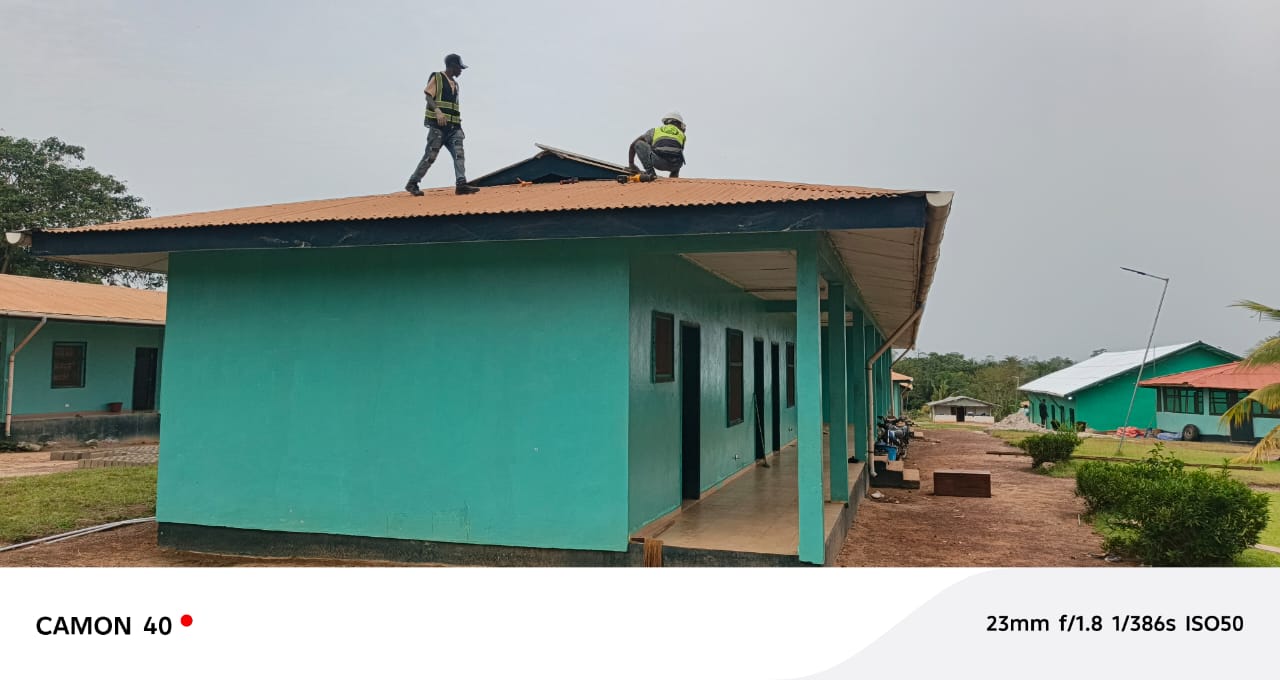
Zwedru City, Grand Gedeh |March 1, 2026| For the first time since its founding decades ago, the Deanna Kay Isaacson School of Midwifery is bathed in light. The institution, which serves as a critical regional training hub for healthcare workers across the southeastern region, has officially transitioned from total darkness to a 24-hour reliable power supply.
A Legacy of Challenges
Since the school’s inception, the lack of electricity has been a primary hurdle in training the next generation of Liberia’s midwives. Mrs. Sawa K. Shaffa, the institution’s Director, revealed that she had spent years campaigning for support. Her office had sent numerous formal appeals to government officials, international NGOs, and humanitarian organizations, yet most of these communications went unanswered or stalled in administrative channels.
The absence of power didn’t just mean dark hallways; it affected:
Instructional Quality: Limited use of modern medical technology and digital learning tools.
Student Safety: Difficulties in nighttime study sessions and campus security.
Operational Efficiency: Challenges in maintaining administrative records and cold-storage for medical supplies.
The Minister’s Intervention
The turning point for the school came during a recent high-level assessment visit by Liberia’s Minister of Health, Dr. Louise Kpoto. Upon witnessing the dire conditions firsthand, Dr. Kpoto committed to “solarizing” the facility to provide a sustainable, green energy solution.
Fulfilling that pledge, the Ministry of Health provided $25,000 USD to fund the installation of a comprehensive solar power grid. The project was completed last week, equipping the entire campus with high-capacity panels and battery storage systems capable of maintaining 24-hour electricity.
Voices of Gratitude
Speaking to Rural Reporters online News on Friday, February 27, Director Shaffa expressed a profound sense of relief.
”This is a new dawn for us,” Director Shaffa said. “We are immensely grateful to Dr. Kpoto for her swift action. For years, we felt forgotten, but this intervention brings a new level of dignity and capability to our school.”
While celebrating this milestone, Director Shaffa also noted that the school still faces infrastructural gaps. She called on other humanitarian partners to follow the Health Minister’s lead in investing in the institution; noting that the “betterment of the midwifery school is the betterment of maternal health for all Liberians and of Liberia.

