


By: Ernest Kpehe Moibah | Bomi Correspondent
Bomi County, Liberia |February 19, 2026|A leading agribusiness institution in Liberia is calling for urgent government and donor intervention to establish a National Agricultural Learning Center, warning that without practical training infrastructure, the country risks falling behind in preparing the next generation of farmers.
The Chief Executive Officer of Dukuly International Agriculture Company, Kalil Dukuly, says the absence of a modern hands-on training facility is limiting efforts to strengthen productivity and restore hope within Liberia’s agriculture sector.
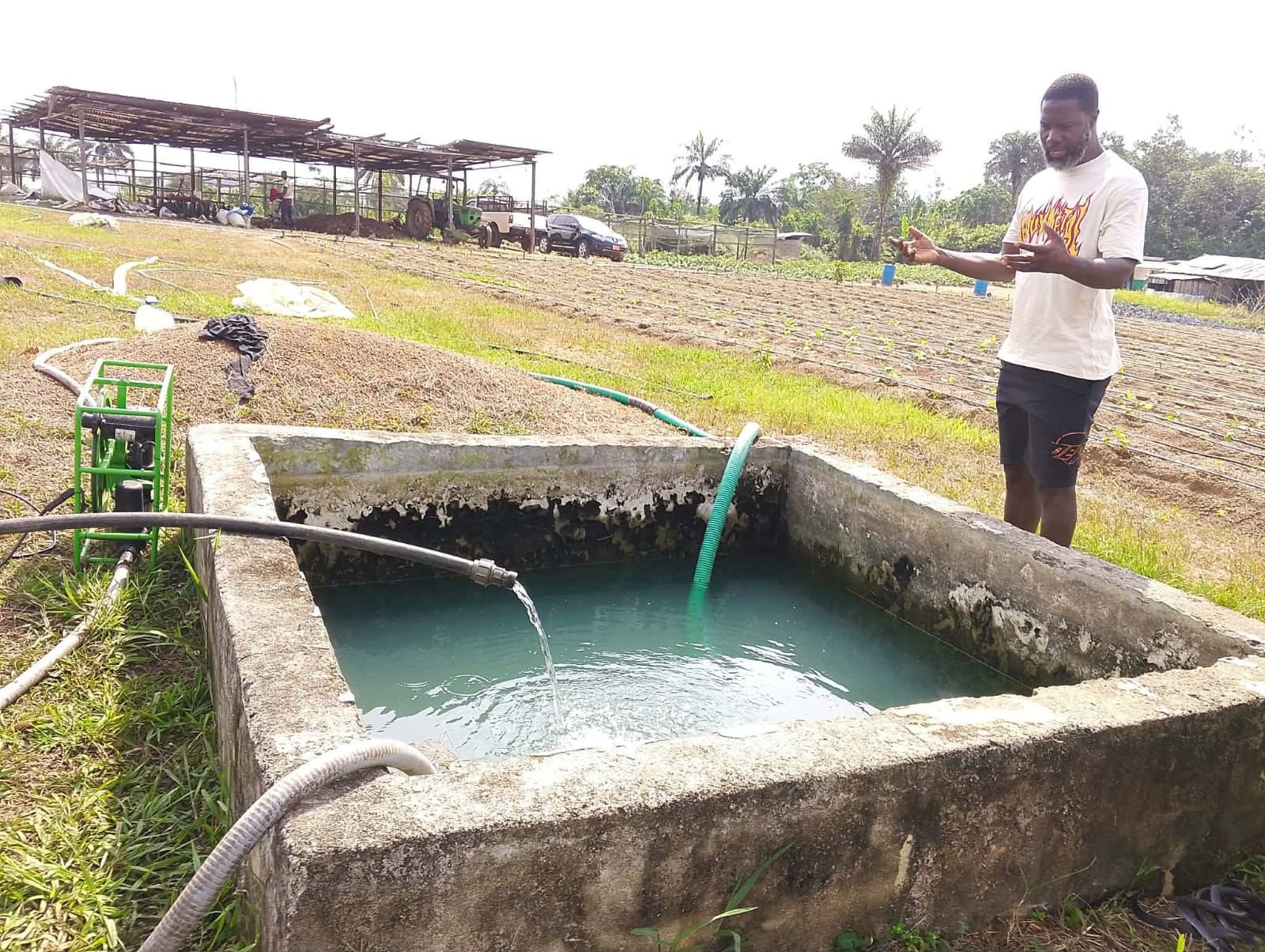
In an exclusive interview, Dukuly emphasized that while his company has been conducting practical farming training programs, the impact remains small due to limited space and the lack of accommodation for trainees.
“We are doing what we can,” he noted, “but the scale is very low because we do not have a dedicated learning facility to host and train more farmers.”
The current training program focuses on critical areas such as nursery management and preparation, pest control, land selection, fertilization techniques, and both pre- and post-harvest handling.
According to Dukuly, these practical skills are essential if Liberia is to build a generation of farmers capable of increasing food production and strengthening national food security.
He is therefore urging the Government of Liberia, through the Ministry of Agriculture, along with development partners, to construct a fully equipped agricultural learning center that would serve as a national hub for technical and practical farming education.
The proposed center, he said, would not only improve farming knowledge but also inspire young people to see agriculture as a viable and profitable career path.
Providing insight into the program’s impact, the company’s lead trainer and senior technician reported significant improvements among farmers who have participated in the training sessions.
Frederick Jah and Alfred Seh stressed that academic qualifications alone are not enough without practical field experience. They encouraged farmers to seek hands-on knowledge, noting that many degree holders struggle to demonstrate practical skills when given on-site responsibilities.
The trainers also called on policymakers to translate agricultural strategies from paper into concrete action, particularly in areas that directly affect productivity.
Beyond infrastructure, Dukuly highlighted the urgent need for government investment in key agricultural inputs such as improved seed varieties and quality fertilizers. He warned that continued reliance on recycled seeds year after year limits yields and undermines farmer profitability.
“When improved seeds and quality fertilizers are affordable and accessible,” he said, “productivity will increase, and farmers will see real returns on their labor.”
Agriculture stakeholders say the establishment of a national learning center could serve as a turning point for Liberia’s farming sector – expanding skills, improving yields, creating employment, and contributing to long-term economic stability.
As calls for reform grow louder, many believe the future of Liberia’s agriculture sector may depend not only on policy commitments but on practical investments that empower farmers with the tools and training they need to succeed.

