


By: J. Mason Kollie | Lofa Correspondent
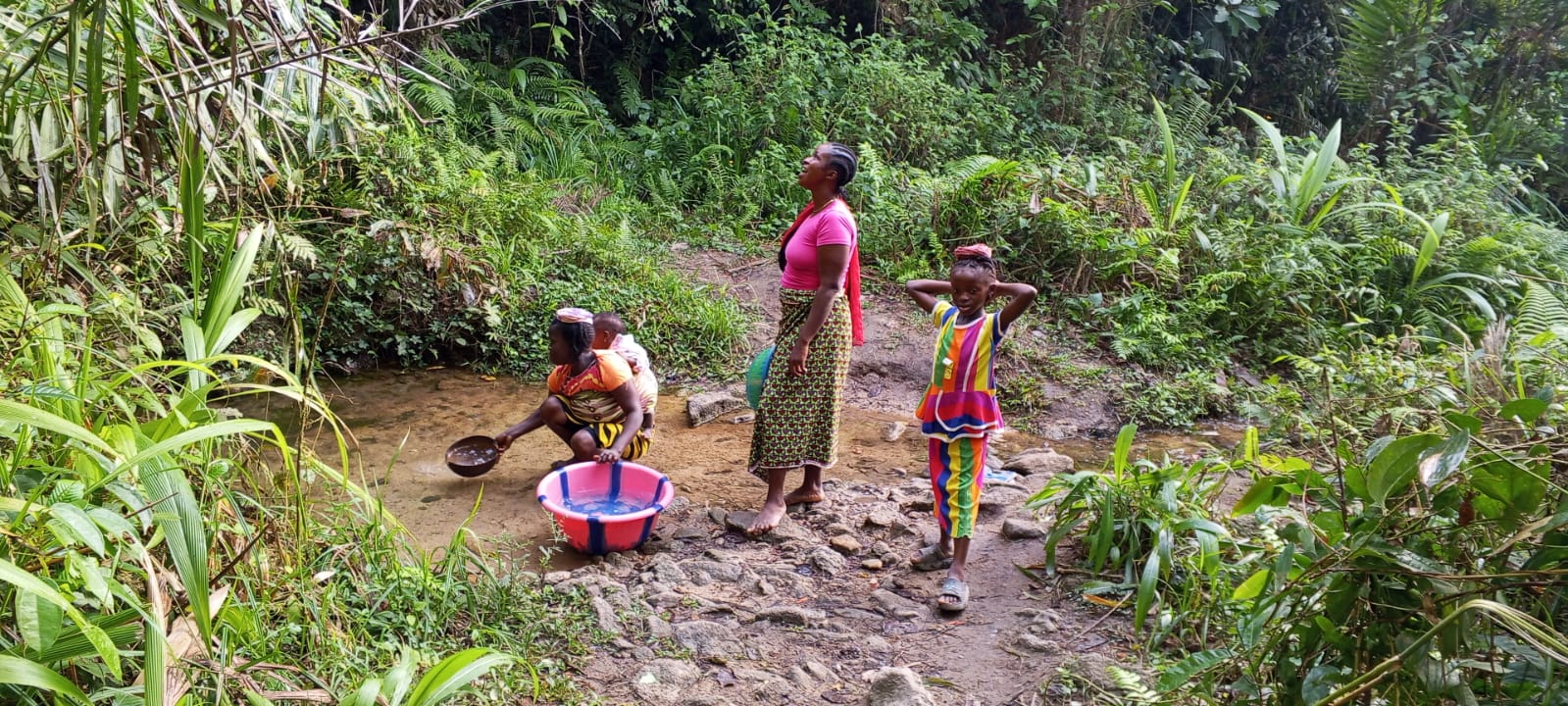
Voinjama City, Lofa County |Feb. 19, 2026|As we are in the middle of the dry season in Liberia, there is shortage of safe drinking water in several rural communities in both upper and lower parts the County.
Most of the towns and villages are experiencing difficulty in accessing safe drinking water.
According to some of local officials who spoke to this media outlet, the community members have resorted to drinking from stream, rivers and swamp water ;a situation described as not being safe their health.
“My brother as I speak to you the town’s handpump is spoiled, we can’t get safe drinking water. The only way we can get little water is when we go the waterside, which is about 30 minute walk to collect the unsafe running water; after which, it is properly boiled before drinking,” Aaron Varney , a resident of Kortulahun explained to Rural Reporters News Network.
During our field trip to different towns and villages, several residents expressed similar condition cum state of affairs.
“We are seeking the intervention of our lawmakers, WASH Commission and nongovernmental organizations (NGOs) in Lofa County and elsewhere to kindly come to our rescue for this water issue. We are suffering too much this dry season due to the lack of safe drinking water,” Yassa Kolu of Voinjama district, sadly added.
As the current situation unfolds, most residents are blaming climate change and the absence of a robust WASH presence in the county in order to address the water, sanitation and hygiene needs of the rural population. Also, some believed that there isn’t enough attention cum consideration for WASH in the in National budget for the ordinary people.
Meanwhile, Voinjama district Commissioner David Mawolo says, the County Authority is working on things for the allocation of money in the County Development for construction of hand pumps in populated towns while at the same time calling on donors to help the community.
As a result of the lack of safe drinking water in towns and villages, women normally leave the town to attend to their agricultural activities at 12:00 noon.
“We can be looking for drinking water from the morning hours until 12:00 noon before we go on our farm” Elizabeth Fallah said in an interview.

