


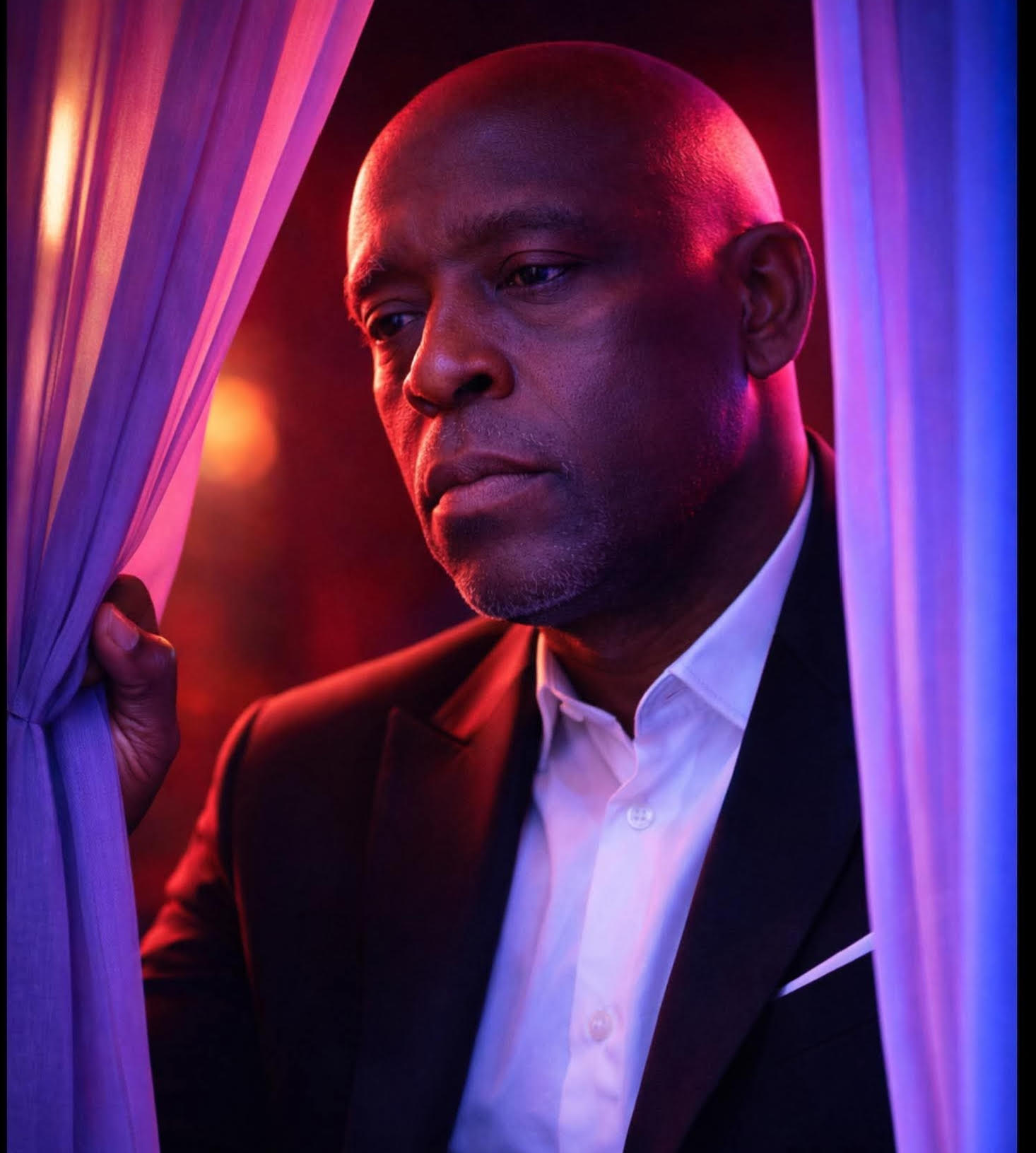
By: Sherman C. Seequeh |Contributing Writer, Journalist & Public Intellectual
There are moments in a nation’s history when an action that appears administrative becomes profoundly historic. The ongoing audit of the Liberian Senate is one such moment. For perhaps the first time since the founding of the Republic in 1847, the Legislature—the very institution that questions ministries, probes agencies, and appropriates national funds—is itself under serious financial scrutiny. This is not routine bookkeeping. It is a constitutional test of Liberia’s moral courage.
For generations, Liberians have watched audit reports pile up like old newspapers in dusty offices. The General Auditing Commission has repeatedly exposed unsupported expenditures, procurement violations, ghost projects, and missing funds across ministries and agencies. Yet prosecutions were rare, reforms slow, and accountability selective. But this time the audit has touched the Legislature—the sacred house of oversight itself. And suddenly, nerves are shaking.
Let us be honest. Liberia has lived too long under the illusion that power excuses scrutiny. From the era of William V. S. Tubman’s patronage politics, through the military excesses of Samuel Kanyon Doe, through wartime looting under Charles Taylor, to postwar corruption scandals in successive administrations, one truth has persisted: institutions often escape the accountability they preach to others.
That is why the Senate audit is historic. It challenges a culture that says: investigate ministries, but not lawmakers; audit agencies, but not appropriations committees; demand transparency from civil servants, but not from senators themselves. The Constitution never intended such double standards.
Article 1 says all power belongs to the people. Article 3 separates powers so no branch becomes untouchable. The framers did not create kings in robes or emperors in suits. They created public servants accountable to citizens.
Yet already we hear troubling whispers. Subpoenas withdrawn. Processes slowed. Arguments raised about jurisdiction. Appeals to political friendships. If these reports are true, Liberia stands at a dangerous crossroads.
A subpoena is not a conviction. It is a request for truth. When a lawful request for financial records becomes uncomfortable enough to be stopped, Liberians must ask: what are we protecting? Who are we protecting? And why?
The Senate audit is not about personalities. It is about public money. Money that should build roads in Grand Gedeh. Money that should keep hospitals open in Bong. Money that should train teachers in Lofa. Money that should buy textbooks in Maryland. When audit findings say funds are unsupported or unaccounted for, that is not bookkeeping trivia—it is stolen classrooms, broken clinics, and lost futures.
Liberia’s history offers painful reminders. We remember the County Development Funds that disappeared into contracts with no projects. We remember ghost payroll scandals. We remember procurement deals signed in darkness. Each scandal eroded trust. Each failure deepened poverty. Each unpunished crime taught the next official that impunity pays.
And so the Senate audit is not merely a technical exercise. It is Liberia asking itself whether the era of sacred cows is over.
Some lawmakers say this audit is political. But accountability always feels political to those who fear it. Others say it threatens institutional dignity. But dignity comes from honesty, not secrecy. Some say it will weaken the Legislature. But corruption weakens institutions far more than transparency ever could.
If senators have nothing to hide, let documents be produced. If mistakes were made, let them be corrected. If crimes occurred, let courts decide. That is how republics survive.
President Joseph Nyuma Boakai was elected on promises of integrity and reform. This is his defining moment too. The fight against corruption cannot stop at the doors of Capitol Building. It cannot be loud in ministries and silent in the Senate. It cannot punish clerks while protecting power.
Liberians are watching. Young people who walk miles on muddy roads are watching. Market women paying illegal fees are watching. Teachers without salaries are watching. They want to know if this Republic still believes in justice.
History will remember the Fifty-Fifth Legislature not for speeches but for courage. Did they allow the audit to speak freely? Did they produce documents? Did they uphold the Constitution? Or did they bury truth beneath procedure and politics?
The Senate audit is Liberia’s constitutional red line. If it succeeds, a new culture of accountability may begin. If it fails, cynicism will deepen, corruption will grow bolder, and democracy will become a slogan rather than a system.
This is not a moment for fear. It is a moment for honesty. Let the audit proceed. Let the truth emerge. Let the law apply equally.
Because when the Legislature finally audits itself, Liberia finally begins to believe in justice.

