


By Abraham Cooper
ZWEDRU, Grand Gedeh County—What was initially envisioned as an opportunity to enhance livelihoods is now being viewed by many landowners as a source of uncertainty. Farmers in Grand Gedeh who once dismissed concerns raised by land and forest advocates are now describing their engagements with Burkinabe farmers as both a blessing and a curse.
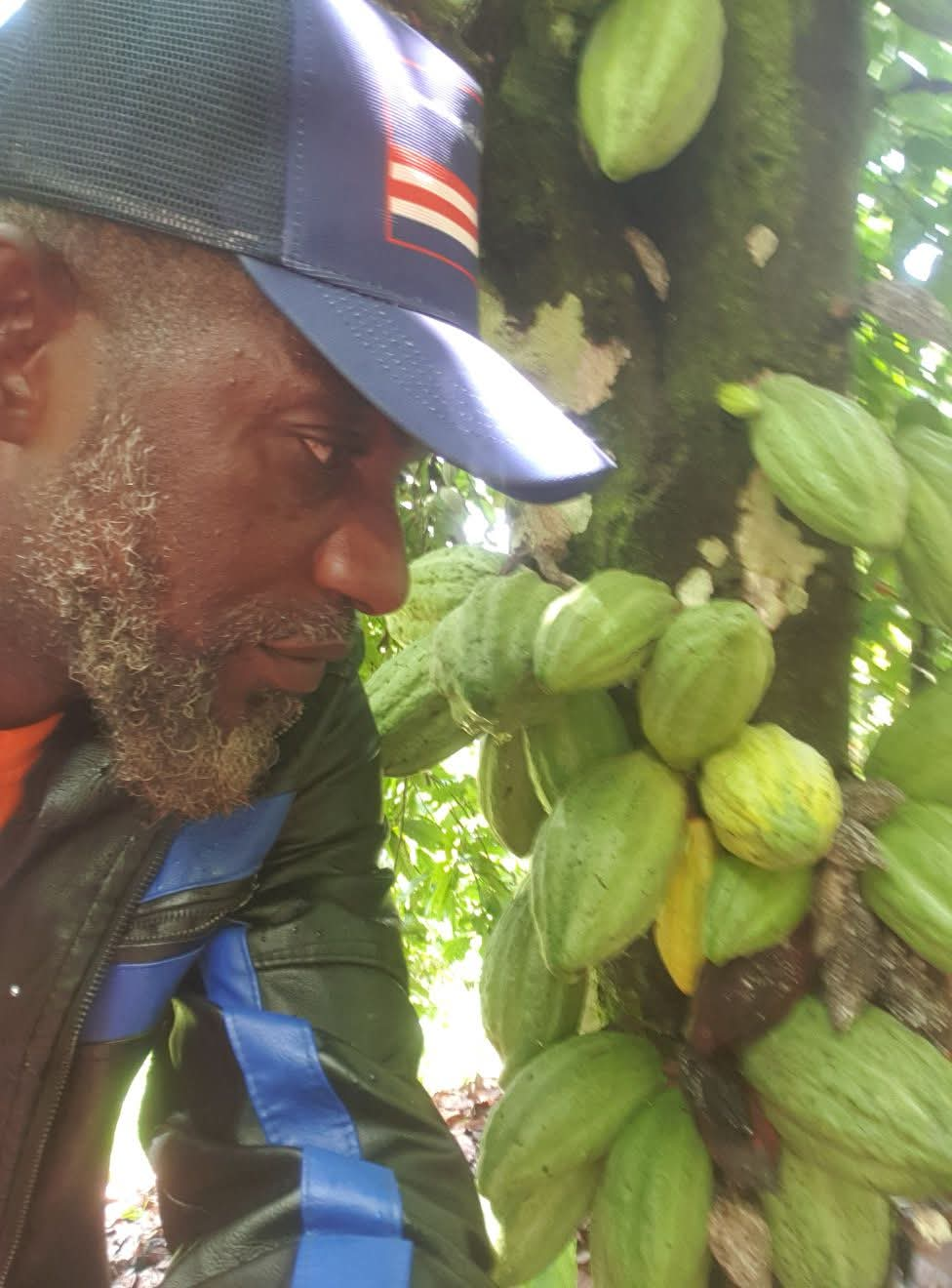
On February 12, 2026, the Rural Reporters News Network (RRNN) visited several cocoa farms across the county and interviewed farmers, most of whom expressed dissatisfaction over what they described as the “unchecked” influx of laborers from Burkina Faso and the rapid depletion of forest resources.
This wave of frustration is spreading across farming communities in Grand Gedeh, as local cocoa producers warn of serious economic, social, and environmental consequences. Once hailed as a partnership for prosperity, the 40/60 cocoa sharecropping arrangement is increasingly being described as a sour deal, leaving many farmers feeling cheated, exploited, and fearful of looming environmental degradation.
“They are robbing our unborn children of their inheritance,” several farmers lamented.
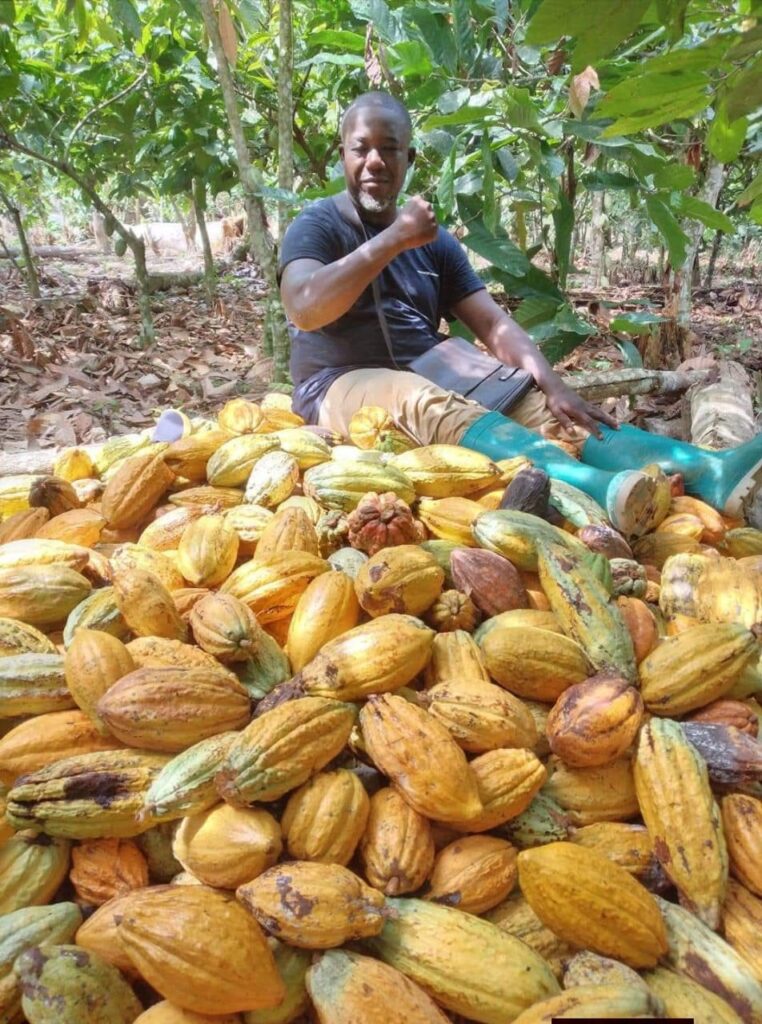
For many landowners, the opportunity to expand cocoa production is coming at a high cost to their communities. Some warn that the impact could leave an irreversible mark if urgent steps are not taken.
“The price of that expansion will be too high to pay if care is not taken,” one farmer cautioned.
Randall George Diah, a cocoa farm owner in Konobo Wulu Town, described the situation as a double-edged sword. While he acknowledged that the partnership has helped him fund his children’s school fees, he expressed concern about the environmental damage.
“The Burkinabe are destroying the trees; deforestation has already hit this county,” Diah said. “Our unborn children will have no access to their parents’ forests. There will be no future for our sons.”
The tension is particularly evident in the implementation of the 40/60 sharecropping agreements. Farmers say their inability to physically monitor their farms creates opportunities for what they allege is systematic theft.
Multiple farmers, including Madam Decontee Pour, claimed that some Burkinabe workers bypass landowners and sell cocoa to acquaintances in remote areas, presenting only a portion of the harvest for official sharing.
Jefferson Pajibo of Senewen Town recounted a 2019 verbal agreement involving 20 pieces of CFA and four hectares of land.
“Sometimes they bring 15 bags, sometimes 20. I know it’s wrong, but what can I do? We can’t do the work ourselves,” he said, highlighting what he described as a dependency that enables the alleged exploitation.
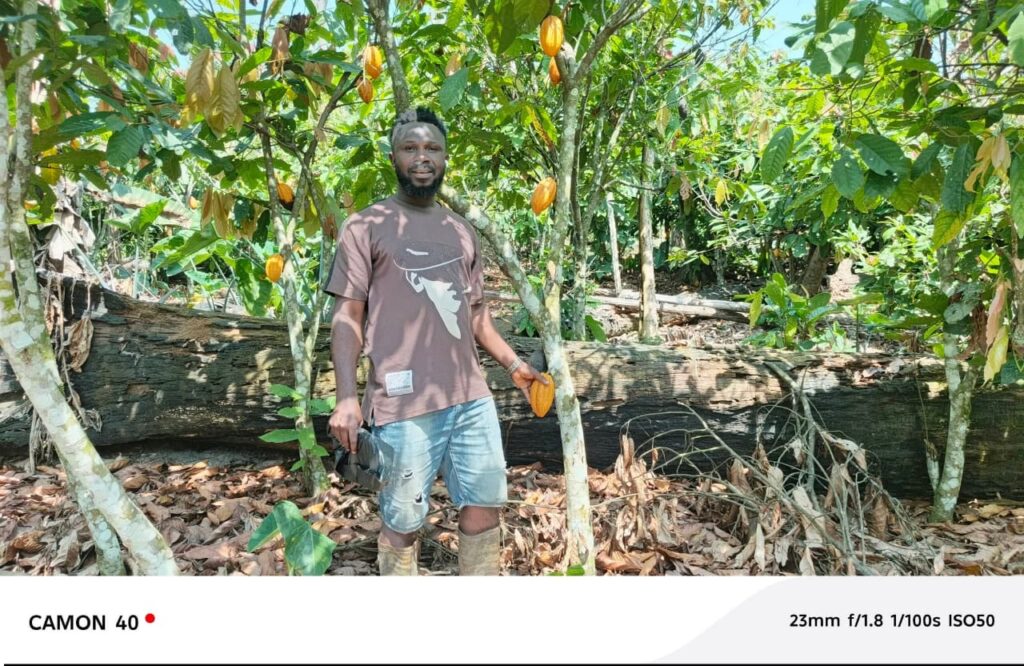
Beyond the farms, economic frustrations continue to mount. Despite reports of increased production, farmers say local cocoa prices have dropped sharply, making the Liberian market less viable. Some producers disclosed that they now prefer selling in neighboring Côte d’Ivoire, citing government neglect, better prices, high transportation costs within Liberia, and survival concerns.
Stephen Williams, a farmer in Gbarzon District #3, issued a warning: “If the government does not intervene within the next two years, Grand Gedeans will lose access to forests, medicinal plants, and valuable wildlife species.”
In a recent report, the Forestry Development Authority confirmed widespread illegal encroachment on community forests in Grand Gedeh County, stating that eight out of nine authorized community forests are currently threatened or occupied by Burkinabe nationals.
The FDA’s assertion comes weeks after the Environmental Protection Agency estimated that Grand Gedeh loses approximately 10,000 hectares of forest annually due to unchecked cocoa farming.

