


By: Ernest Kpehe Moibah | Bomi Correspondent
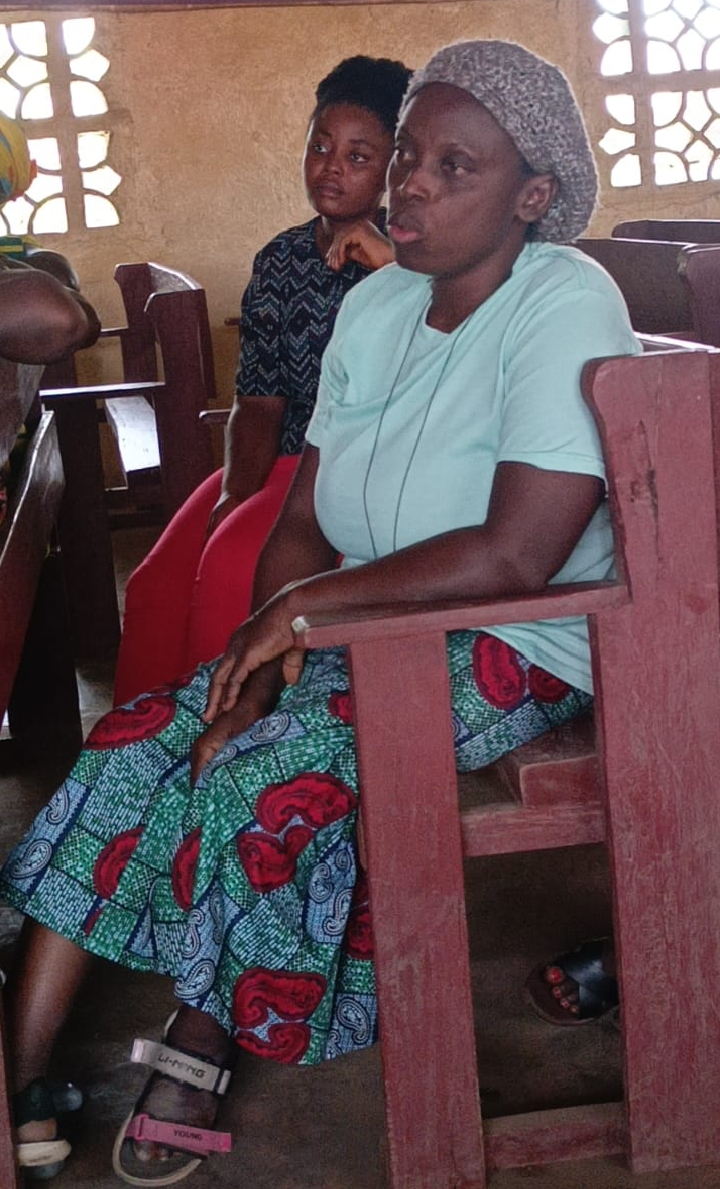
Tubmanburg City, Bomi County |April 8, 2026|A powerful call for inclusion and equal rights has emerged from Tubmanburg, where women, especially those living with disabilities are demanding action following a one day capacity building training in Bomi County.
At the center of the message is Zinnah Powell, Secretary General for Group of 77, who is raising concern over what she describes as the continued marginalization of persons with disabilities in national development efforts.
Speaking on behalf of women living with disabilities, Madam Powell emphasized that while awareness initiatives are important, they must be backed by real implementation of laws and policies.
“Awareness alone is not enough,” she stressed. “We need consistent engagement and enforcement of the laws that speak to our rights and basic needs as persons with disabilities.”
Her comments come at the close of a training held under the theme “Enhancing the Capacity of Women Farmers by Providing Knowledge on the Legal Rights of Women with Disabilities.” The session brought together 18 women farmers from across the county and focused on key issues such as land ownership, access to justice, and improving agricultural productivity.
Despite welcoming the initiative, Madam Powell pointed out that many institutions continue to fall short in applying existing laws—particularly in areas such as employment opportunities and access to public buildings.
“There are laws, but they are not being implemented,” she noted. “This is why many of us remain excluded.”
She is now calling on development partners and stakeholders to go beyond short-term interventions by increasing support for inclusive programs that prioritize awareness, empowerment, and long-term impact.
The training, organized by the Platform for Dialogue and Peace with support from the Women Peace and Humanitarian Fund, was described by participants as both timely and transformative.
Many of the women expressed renewed confidence in understanding their rights and applying new knowledge to improve their livelihoods, particularly in agriculture.
However, as the program concludes, the message from Madam Powell and her peers is clear: true empowerment will only be achieved when policies are not just discussed—but fully implemented.

