


By D Abraham Cooper Sr.
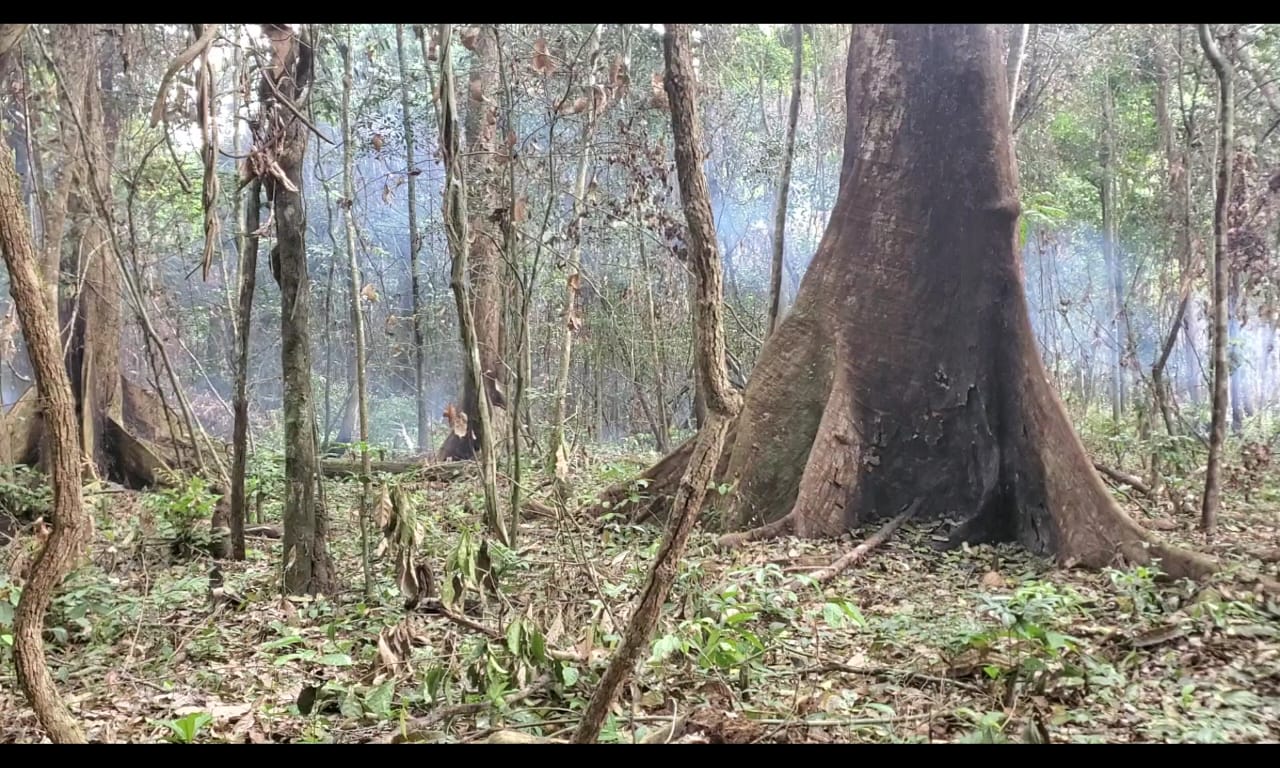
The pristine landscapes of Grand Gedeh County are disappearing at an alarming rate due to the influx of foreign migrants engaged in cocoa farming.
A recent two weeks’ probe by the Environmental Protection Agency (EPA) in eight districts has put the loss of forest land to 10,000 hectares annually. The tour, which began on January 3, 2025 is in apparent response to consistent media reports of deforestation in the Southeast, particularly Grand Gedeh County by foreign cocoa farmers believed to be from Burkina Faso.
Drawn by the region’s favorable climate and rich soil, these farmers have been encroaching deeper into protected and biodiverse areas to establish vast cocoa plantations on a gentlemen agreement of 60-40.
In an apparent response to public outcry, technical staff of the EPA undertook an eight-district tour to understand the extent of the damage to the forest and biodiversity.

The districts visited include, Glio,Twabo, Konobo, Tchien, Putu, Gbao, Bhai, and Ploe. Following the end of the tour on January 13, 2026, the EPA briefed the press in Zwedru and disclosed that an estimated 10,000 forest is lost annually.
The destruction of these forests isn’t just about losing trees; it’s about losing an entire ecosystem. Experts have identified four critical areas: biodiversity loss, soil degradation, climate impact and displacement as areas that are high hit by illegal encroachments.
While cocoa is a vital cash crop for Liberia’s economy, the current scale of forest clearing is unsustainable. Many of the Burkinabe farmers interviewed attributed their involvement to extreme poverty and the need for economic survival.
Officials of the EPA have signaled lack of awareness on the long-term environmental damage being caused by these “slash-and-burn” expansion tactics.
Local leaders and environmentalists are now calling for urgent government intervention to regulate land use and protect what remains of the county’s natural heritage before it is lost forever.


2 Comments
**mitolyn official**
Mitolyn is a carefully developed, plant-based formula created to help support metabolic efficiency and encourage healthy, lasting weight management.
I like this weblog very much, Its a very nice billet to read and get info . “From now on, ending a sentence with a preposition is something up with which I will not put.” by Sir Winston Churchill.