


By: Henry B. Gboluma, Jr. | Gbarpolu Correspondent/Voice of Gbarpolu
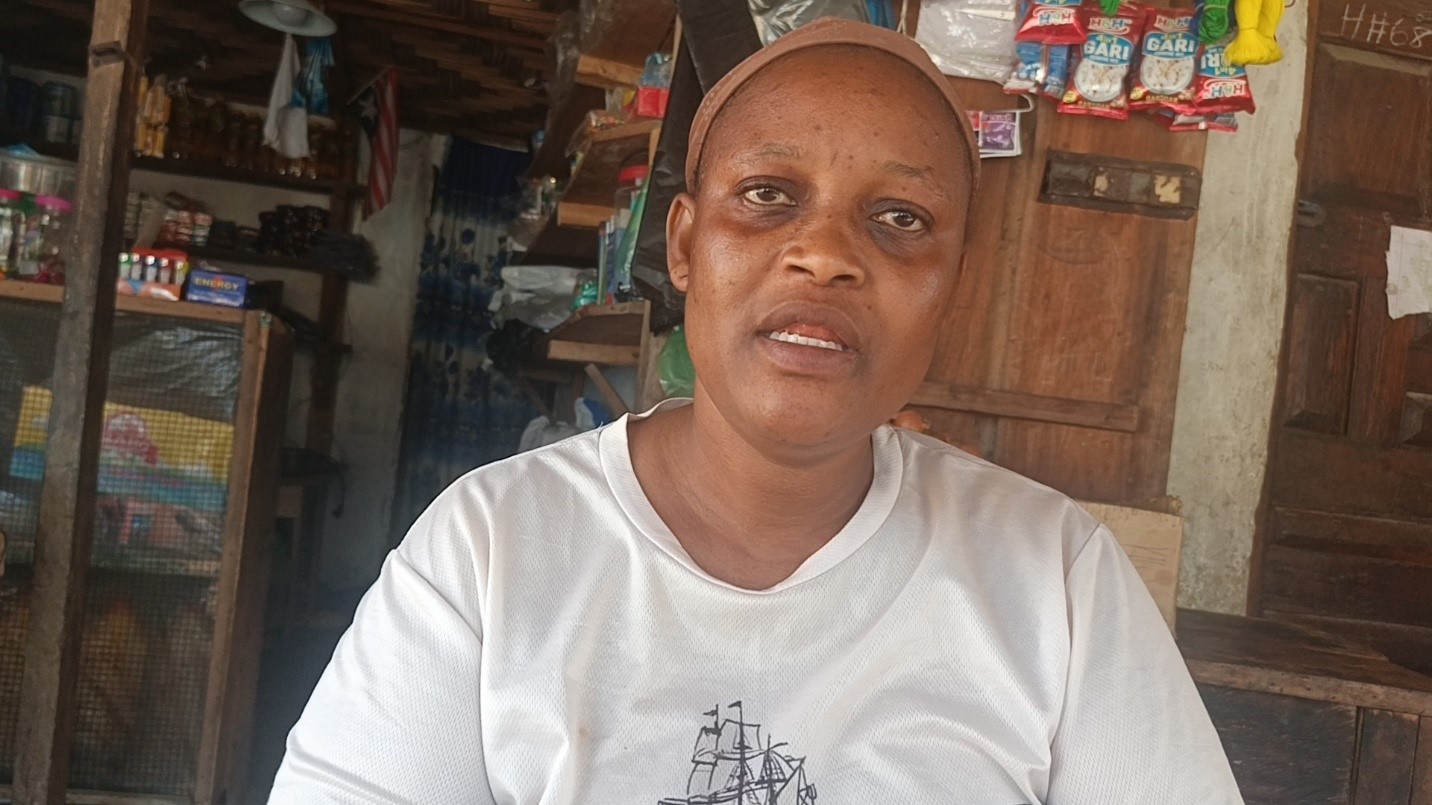
Tarkpoimah Town, Gbarma District, Gbarpolu County |April 21,2026 | Before December 2025, Massa W. Kwelleh sold goods from her small shop in Tarkpoimah Town with no records, no clear profit, and no plan. Today, she calls herself a “business manager.”
The change came through the Liberia Women Empowerment Project (LWEP), a $44.6 million USD project running from 2022–2027. Funded by the World Bank and led by the Ministry of Gender, Children and Social Protection (MOGCSP), LWEP targets 498 communities across six counties: Gbarpolu, Rural Montserrado, Bomi, Grand Gedeh, Grand Cape Mount, and River Cess.
The project aims to reach approximately 267,200 people, including 36,000 women who will receive direct livelihood support. Of the total funding, $23.6 million is earmarked for economic empowerment through agricultural investments, Village Savings and Loan Associations (VSLAs), women’s groups, and skills training.
Tarkpoimah Community is one of 68 selected beneficiary communities in Gbarpolu County. Massa, a resident of the town, qualified under the project’s Individual Enterprise (IE) component. Under IE, women already in business can benefit from grants up to $2,500 USD.
“I applied for $2,500, but I have received $1,250 USD,” Massa said. “They said the remaining will be paid if I do well with the first money I have received.”
Massa’s journey with the project began when LWEP staff visited her community, checking for women running legitimate businesses. “They came down here when I was sitting. They asked me, I told them I was selling goods, not alcohol. They entered, they checked all over, that is how they took my name,” Massa explained.
Subsequently, after a second interview and a business workshop, Massa was selected. In December, she received her first disbursement of $1,250 USD through mobile money. “I was able to go withdraw that money,” she said it was really tough during the Christmas season, but I received the money.”
Massa used the funds to restock “Massa’s Provision Shop,” which is legally registered with the Liberia Revenue Authority as a petty trader. “I sell slippers, pepper, beans, rice, and other things in the shop,” she said. The shop was registered before LWEP came. “When they came, they asked me for the document. And I bring all the document.”
But for Massa, the biggest change was knowledge. “I was sitting here, I did not know about record. I would just sell. But during the training, they teach [taught] me how to make record. If they buy two pairs of slippers, I should mark it. All the items that they would buy, I put the price on it. Then I calculate and know the total for that day,” she said. “That’s one of the things that made me strong. Because I was doing it, I just doing it, all by my heart with no record.”
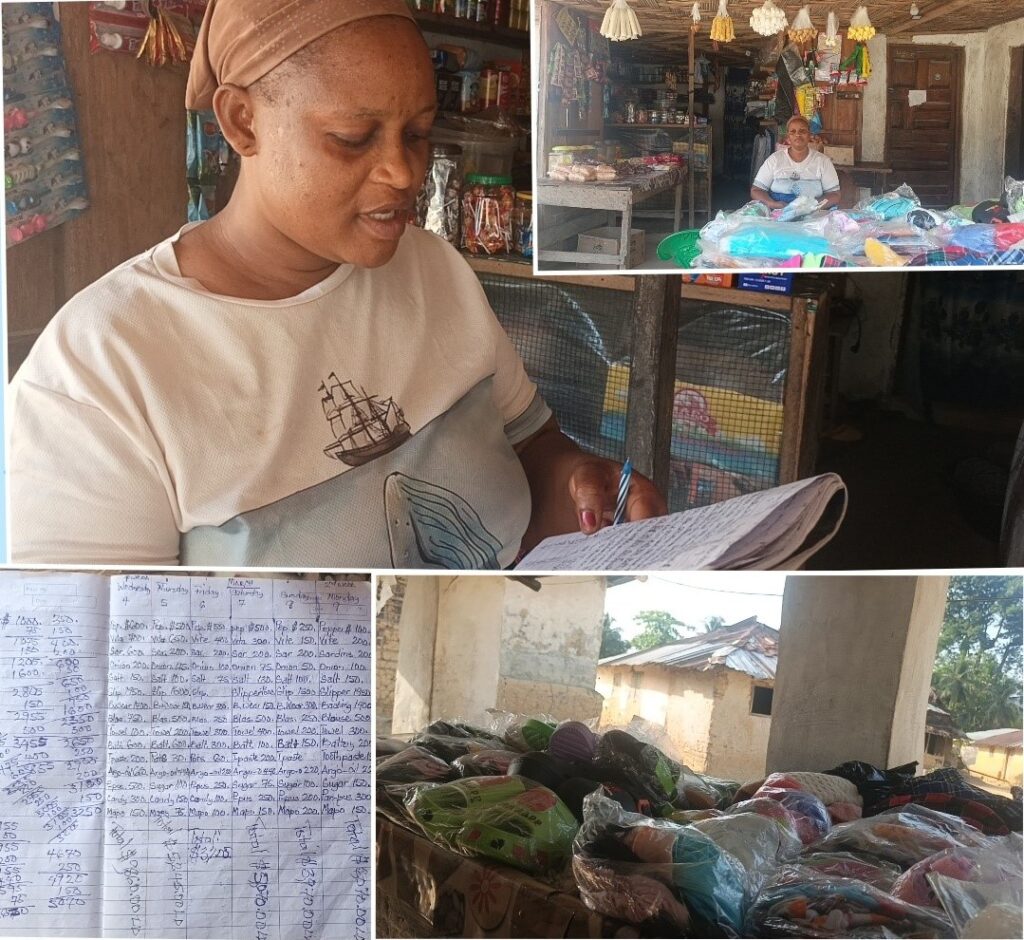
Today, Massa uses daily sales records to track income, calculate profit, and plan restocking. The business now supports her children, her grandmother, and her brother. It also serves her community. “Somebody will get the money, they will come to me to buy. And if you do not get it, you can take it on credit, I record you. When you get the money, we cancel your name,” she noted.
Massa had a message for other struggling businesswomen: “Women of today, focus on the little business you are doing, because someone somewhere, is fighting for to empower us. I appeal to the Government to empower them too, to make them strong to be like us.” She said, “Because they are struggling, they want to be strong like us too.”
She also thanked the Government and partners behind the initiative. “I just want to tell the Government thank you for bringing this money to empower us, especially me, because it is really helpful to me,” Massa said. “It helped me a lot. It made me to be strong to send my children to school.”
Under the Individual Enterprise component, women like Massa receive business training, mentoring, and grants to grow their existing trades. With $1,250 USD already invested in her shop and lessons in bookkeeping, Massa W. Kwelleh now calls herself a “business manager” in Gbarma District, a title earned through the Liberia Women Empowerment Project, as she is now working toward the second disbursement.

