


By Peter Kollie
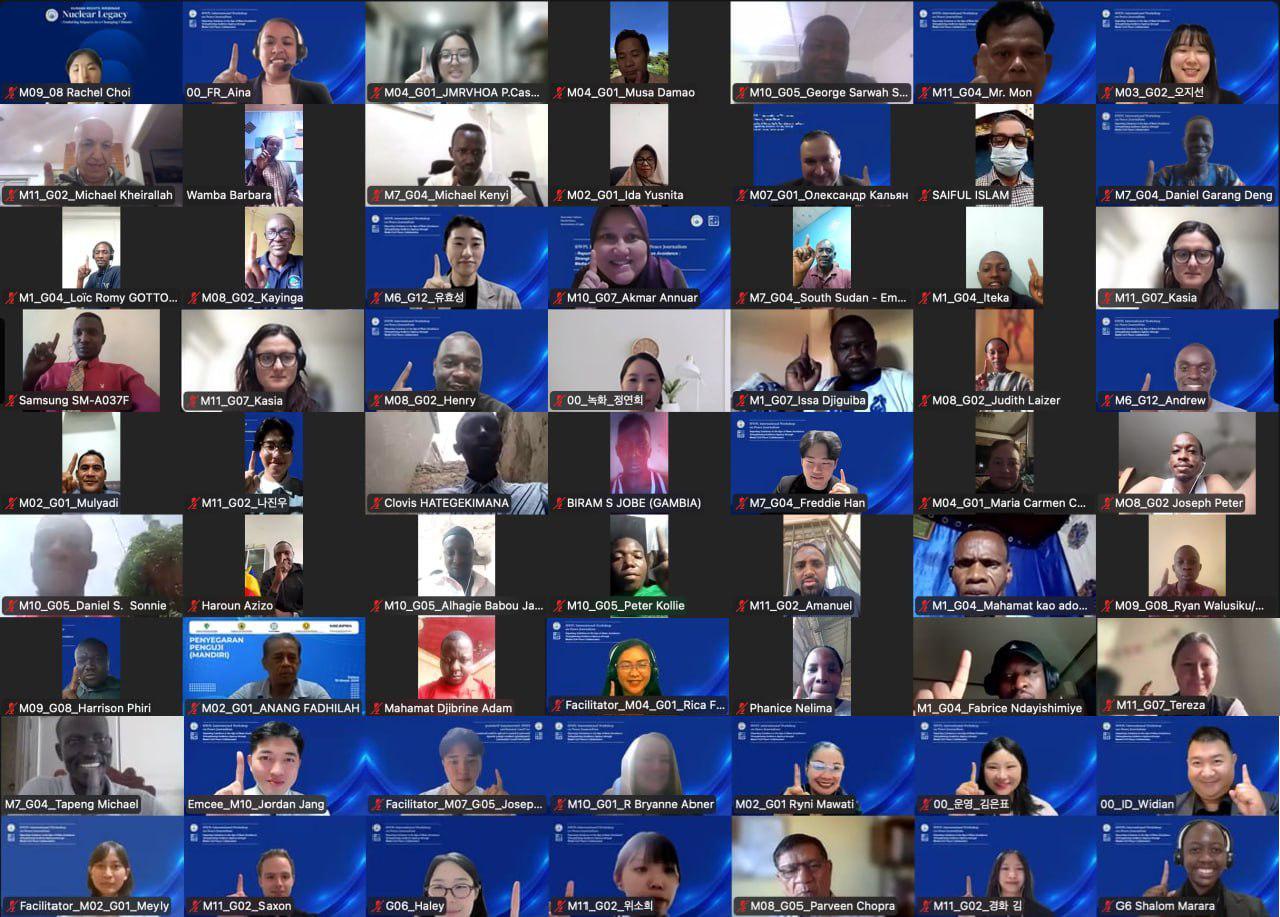
The Heavenly Culture, World Peace, Restoration of Light (HWPL) has hosted an international workshop on Peace Journalism Studies, bringing together about 220 journalists from around the world to examine how the media can better contribute to peacebuilding and conflict resolution.
Held virtually under the theme, “Reporting Solutions in the Age of News Avoidance: Strengthening Audience Agency through Media-Civil Peace Collaboration,” the workshop focused on the growing challenge of news avoidance and the need for journalism that not only reports problems but also highlights solutions.
The event featured presentations from contributors to Volume 4 of the HWPL Peace Journalism Studies Journal, who emphasized the importance of shifting from conflict-driven reporting to a more solutions-oriented approach.
Achmad Yani of Indepthnews.id presented findings on how international media narratives influence conflict dynamics, particularly in the Thailand–Cambodia situation. According to his research, nearly 64 percent of global coverage focused on military clashes and political tensions, while the experiences of more than 200,000 displaced civilians received little attention. He stressed that such framing shapes public understanding and called for more inclusive reporting that highlights human impact and peaceful alternatives.
Also speaking at the workshop, Ida Yusnita of mediabanjarmasin.com described peace as a fundamental human right that extends beyond the absence of war. She emphasized that achieving lasting peace requires fairness, equality, and collective responsibility from governments, communities, and the media. Yusnita called for stronger efforts in promoting tolerance, combating discrimination, and supporting independent journalism.
Meanwhile, José Nicolás Arroyo Ramos highlighted the role of modern media in deepening polarization through what he termed “discursive violence.” He warned that emotionally driven and unverified information spreads quickly in today’s digital environment, often reducing complex issues into opposing narratives. He advocated for peace journalism as a way to provide deeper context, include diverse perspectives, and promote constructive solutions.
Participants also engaged in interactive breakout sessions, discussing how journalists can produce content that inspires hope and encourages dialogue, especially in conflict-sensitive reporting.
The workshop further introduced the Media and Global Peace Platform (MAGP), a global initiative aimed at connecting journalists and civil society organizations to strengthen collaboration and expand peace journalism practices worldwide.
Organizers said the event underscored the critical role of the media in shaping public perception and promoting peace, noting that continued international cooperation will be key to advancing responsible and solutions-focused journalism.

