
By: Geeplay Ezekiel Geeplay | Contributing Writer
Monrovia, Liberia | May 7, 2026 | A new EU-funded initiative through the French Development Agency aims to equip journalists with skills for evidence-based reporting on forest-dependent communities has taken central stage.
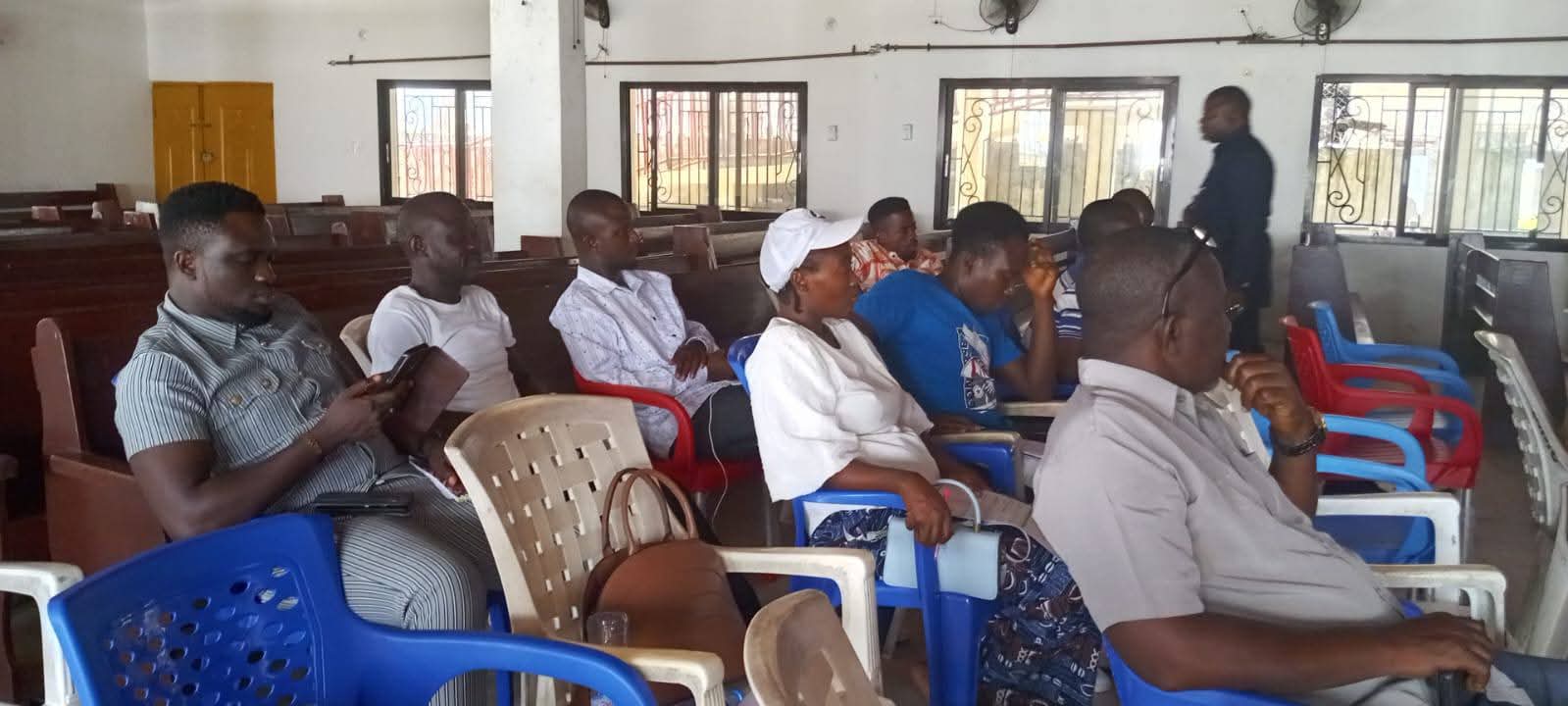
Day one of Phase One of the Liberia Forest Media Watch (LFMW) Forest Reporters Training opened in Monrovia today, bringing together rural journalists to produce high-quality, evidence-based stories on issues affecting forest-dependent communities.
Held under the theme _“Building the capacity of rural journalists to produce high quality evidence-based stories relevant to forest dependent communities,”_ the training is supported by the European Union through the French Development Agency (AFD).
The training targets journalists from forested counties where communities rely heavily on timber and non-timber resources for their livelihoods. Facilitators are focusing on core skills: investigating Community Forest Management Agreements (CFMAs), verifying benefit-sharing claims, and accurately reporting on the social and environmental impacts of logging.
“Too many forest stories lack data or community voices,” said Paul Kanneh of the Liberia Forest Media Watch team during the opening session. “We want reporters who can check a CFMA, interview a CFMB chairperson, and explain what the Community Rights Law means for a town in RiverCess or Gbarpolu. That’s evidence-based reporting.”
Liberia holds over 40% of West Africa’s remaining Upper Guinea Forest. Since the 2009 Community Rights Law, more than 130 communities have secured management rights to their forests. Yet disputes over 30% benefit-sharing, illegal logging, and weak local governance continue. These issues are often underreported due to limited rural media capacity.
“Forest communities are the first to feel the impact of bad deals or delayed payments from the National Benefit Sharing Trust Board,” said Jenneh Kemokai, a participant from Grand Cape Mount County. “But if we can’t document it well, policymakers won’t act.”
The training is part of a broader EU-AFD program supporting forest governance and civil society oversight in Liberia. According to LFMW, Phase One of the training will run for four days, combining sessions on forestry law and ethics with field reporting exercises.
Participants will learn to use tools like the Amended Regulation to the CRL, FDA data, and community records to ground stories in facts. Sessions will also cover conflict-sensitive reporting and safety when covering illegal logging and SGBV in forest areas.
Phase One graduates will be paired with mentors to publish stories on community radio stations and online platforms over the next three months. LFMW plans additional phases targeting editors and producing a forest reporting handbook.
“This is not just training. It’s about changing how Liberia’s forests are covered,” Paul Kanneh said. “When rural journalists have the facts, communities have power.”

