


By: Emmanuel Koffa |Grand Gedeh Correspondent
Barclayville City, Grand Kru County |Feb. 9, 2026|Despite repeated government assurances of nationwide progress in Liberia’s health sector, Grand Kru County continues to struggle with limited access to basic healthcare services, exposing deep inequalities between urban centers and rural communities.
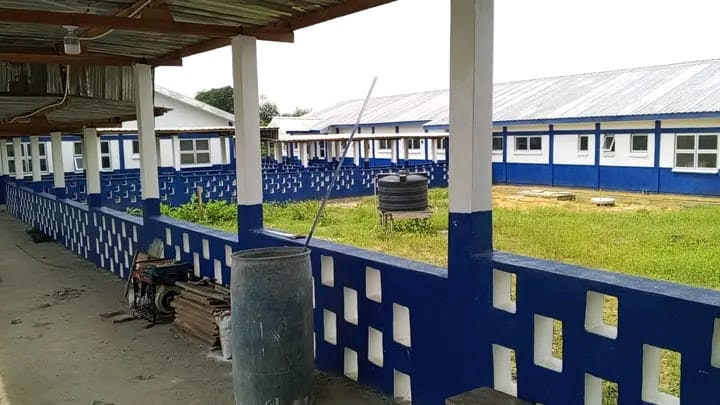
Over the past year, the Government of Liberia has completed and symbolically dedicated several health facilities in Grand Kru County, including the Domu Nimene Hospital and newly constructed clinics in Juduken and Gbanken.
These projects were intended to serve more than 15,425 people across rural communities and surrounding towns, raising expectations of improved medical care.
However, local health authorities and residents say the reality on the ground tells a different story.
According to Grand Kru County Health Officer, Dr. Learwellie Craig, critical facilities such as the Sasstown Health Center and Rally Town Hospital in Grand Cess remain severely understaffed and lack essential medical equipment; limiting their ability to respond to emergencies and routine healthcare needs.
Dr. Craig has warned that the government’s focus on construction and ceremonial dedications has overshadowed the urgent need for trained health workers, reliable drug supplies, and functional medical equipment.
He argues that without these essentials, newly built facilities risk becoming symbols of neglect rather than solutions to long-standing health challenges as well as part of a holistic healthcare delivery system.
Residents report that pregnant women, emergency patients, and critically ill children continue to face dangerous delays in accessing timely care.
In many cases, patients are referred to distant counties under difficult road and weather conditions, increasing the risk of preventable deaths.
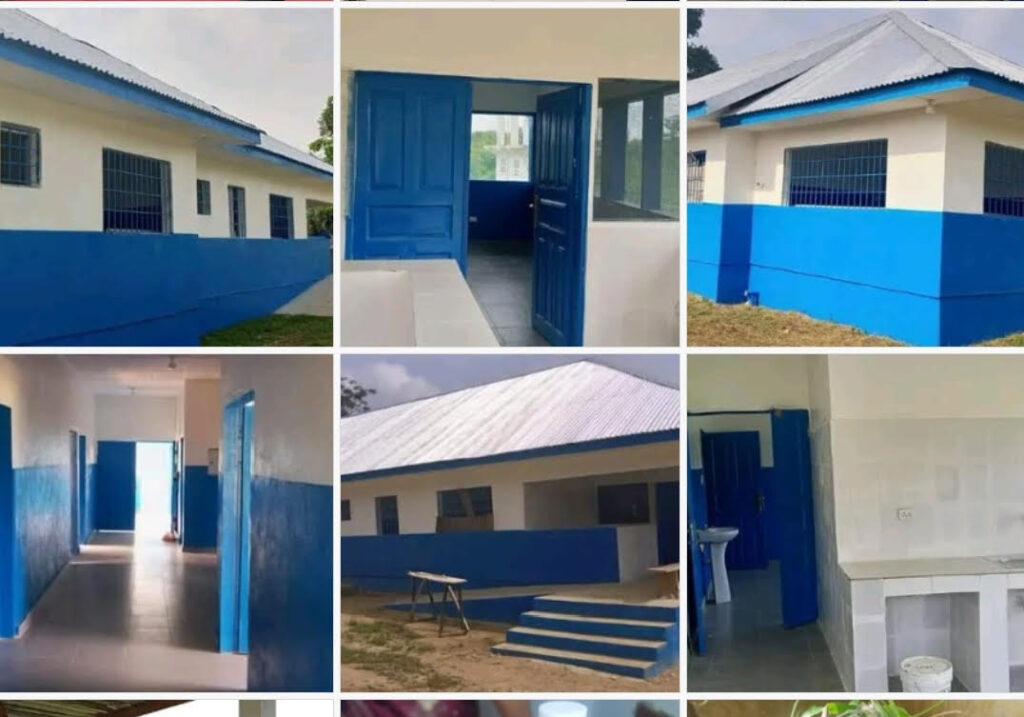
The disparity is particularly stark when compared to better-served counties, where hospitals are equipped with specialists and consistent medical supplies. In Grand Kru, residents say the health system remains fragile, despite donor-supported projects such as the German Government–backed rehabilitation of Rally Town Hospital.
While international partners have played a significant role in supporting healthcare infrastructure, local officials emphasize that donor involvement cannot replace sustained government responsibility. Staffing, equipment, and maintenance, they say, must be prioritized if health investments are to deliver real impact.
The recent symbolic dedication held in Zwedru has further fueled public frustration, with community leaders arguing that such events project an image of progress that does not reflect daily realities in Grand Kru.
They are calling on the Ministry of Health to urgently address staffing gaps and resource shortages before declaring success.
As Liberia pushes forward with health sector reforms, Grand Kru’s experience raises a critical question: will rural counties continue to lag behind while national progress is celebrated, or will government action finally match the promises made?
For many residents, meaningful healthcare remains out of reach—not because facilities do not exist, but because the systems required to make them work have yet to be put in place as far as essential equipment and timely medical supplies are concerned.

